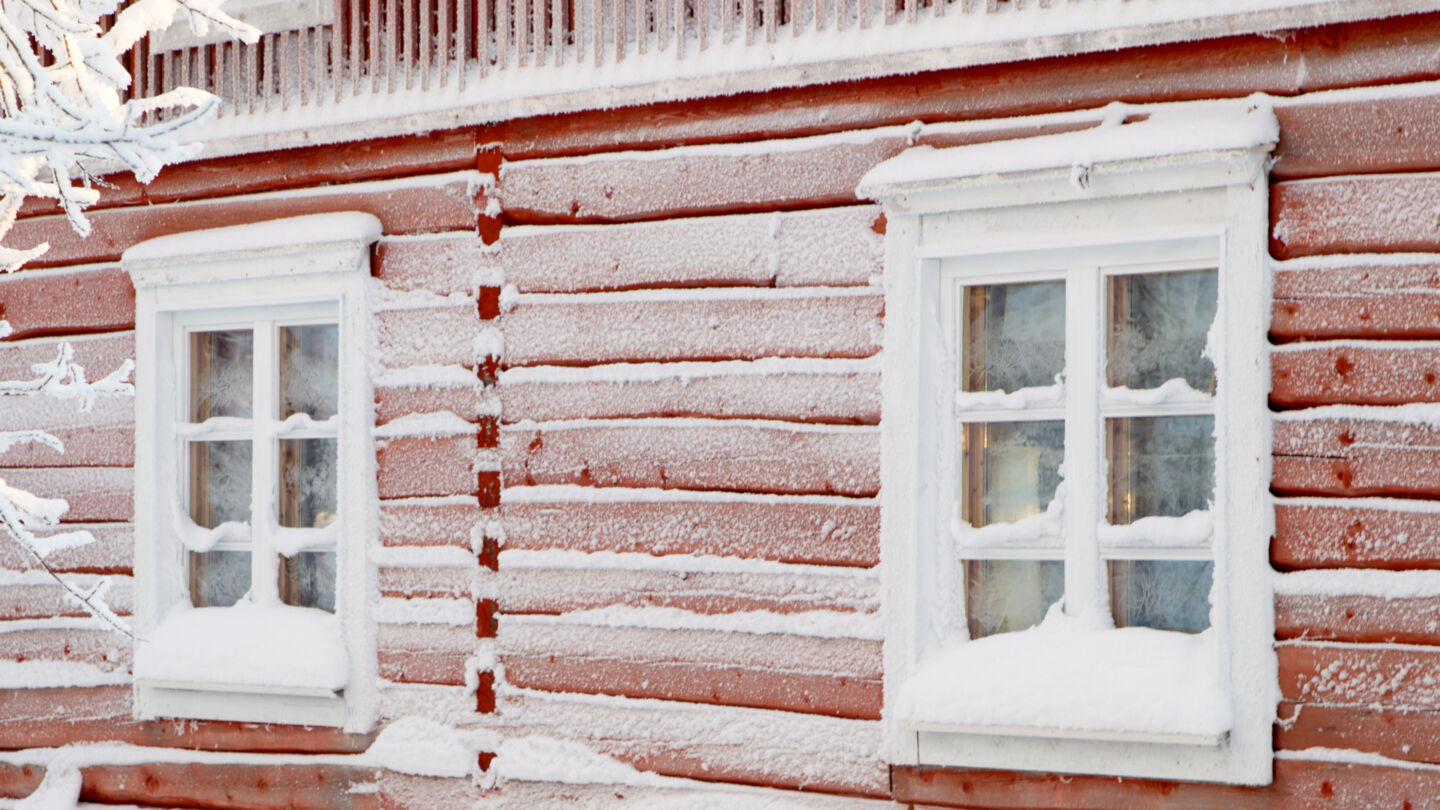


LAPLAND – A FILM LOCATION ABOVE ORDINARY
Finnish Lapland is pristine natural beauty and untouched wilderness. As the most connected wilderness in the Arctic, Lapland has high-quality services and a well-maintained transport network. A plethora of landscapes, diversity of seasons and unique light conditions make Lapland stand out as a filming location.
Film Lapland (Finnish Lapland Film Commission) and the local service providers network are more than happy to help bring your production above ordinary. We will help you find the ideal locations, service providers and crew members for your production. Film Lapland is here to make your experience in Finnish Lapland efficient, easy and enjoyable.
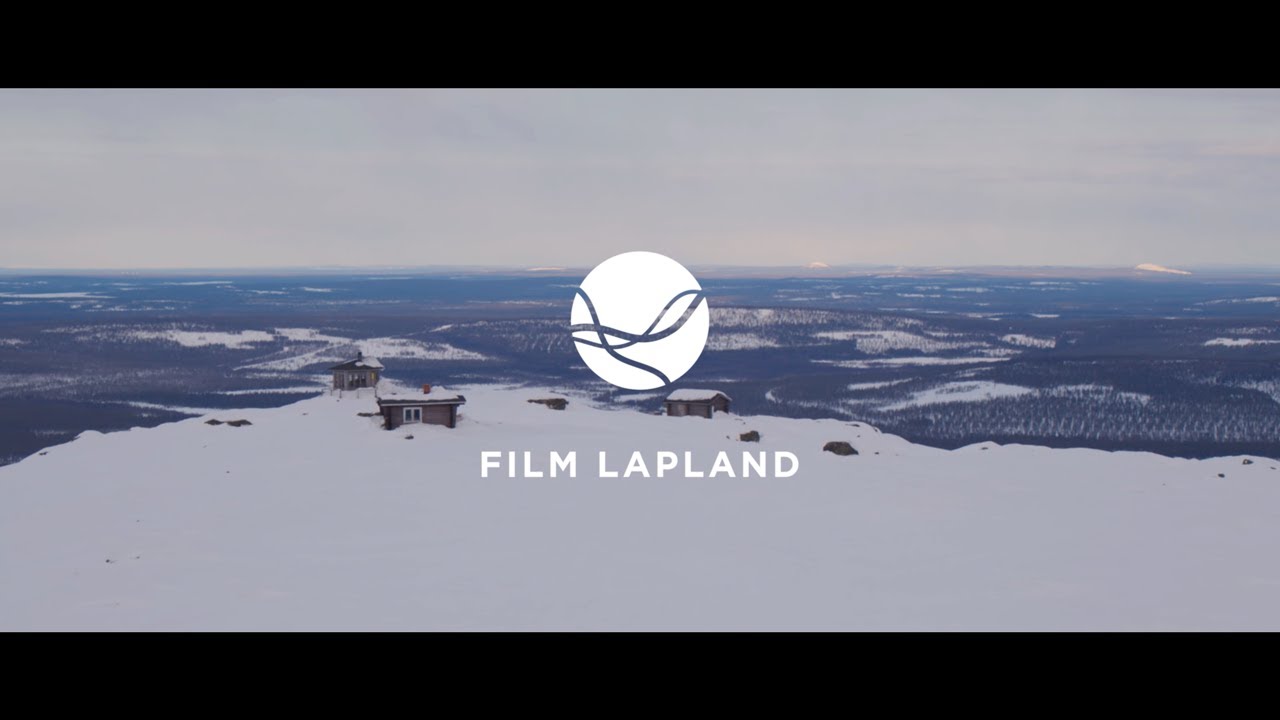
Check out the Film Lapland Showreel
About Lapland
Welcome to the most accessible Arctic wilderness in the world. Our natural attractions, distinct seasons and spectacular weather and light conditions are second to none.
Filming in Lapland
Productions come from around the world to film Lapland. Here you’ll find production references, deep-dives into our seasons, as well as a comprehensive list of productions filmed here.
Locations
More than just snow. More than the Midnight Sun. From cityside wilderness to stunning frozen lakes, and everything in between.
Plan Your Production
Here at Film Lapland, our middle name is details. Here we’ve gathered together information about funding, travel, film permits, drone regulations, cast and crew and more.
We’re here to help. Our services are free of charge, and we always work with a non-disclosure attitude. Contact us today!